
- FLEX STORAGE - your energy storage experts

Wierzbno, Poland
- Home
- Projects
Wierzbno, Poland
How Jachimowicz Pieczarkarnia protects its employees with an energy storage facility
In the largest mushroom farm in Poland – Jachimowicz Mushroom Farm – We completed an energy storage project with a capacity of 115 kW and a capacity of 232 kWh. Interestingly, it wasn't implemented directly for production purposes, but… in two employee hostels. This is where the first, pilot phase of the energy modernization of the entire complex was located.



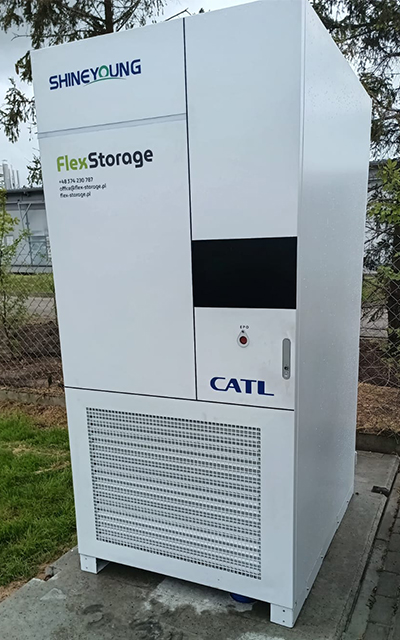
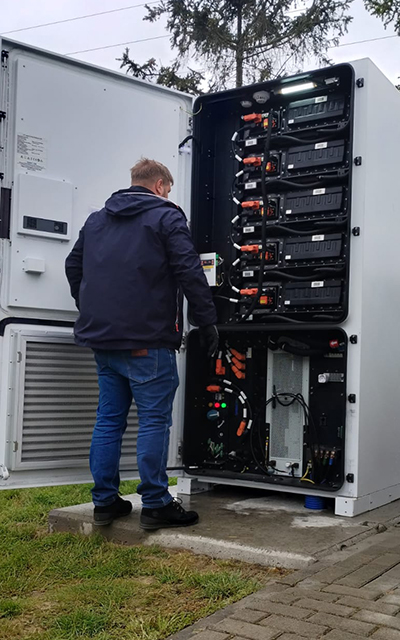
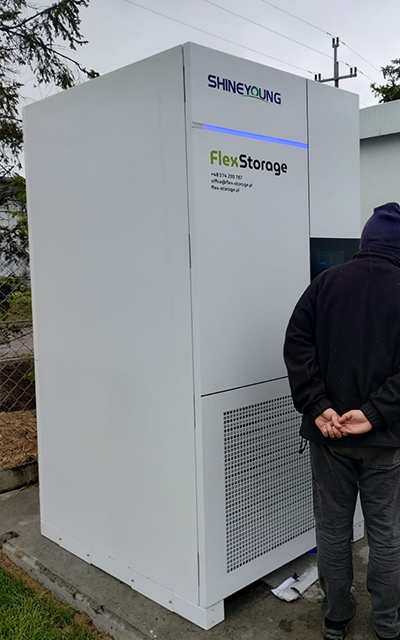
Case study: 115 kW / 232 kWh energy storage in the largest mushroom farm in Poland
How Jachimowicz Pieczarkarnia protects its employees with an energy storage facility
In the largest mushroom farm in Poland – Jachimowicz Mushroom Farm – We completed an energy storage project with a capacity of 115 kW and a capacity of 232 kWh. Interestingly, it wasn't implemented directly for production purposes, but… in two employee hostels. This is where the first, pilot phase of the energy modernization of the entire complex was located.
The implementation of energy storage systems, photovoltaics, and wind turbines allows for effective energy storage, increased efficiency and performance of energy systems, and reduced energy costs. Modern technologies used in mushroom farms are crucial for energy efficiency, performance, and security, and also enable improved energy management. Storing surplus energy from photovoltaic panels and hybrid installations provides extensive storage options and optimizes energy production. Monitoring and effective energy management are particularly important for maintaining production stability and controlling energy costs, and improved energy management cannot be achieved without modern solutions. The appropriate selection of an energy storage system, tailored to the needs of the mushroom farm, impacts the efficiency, energy production, and reliability of the entire system.
For a company, investing in energy storage and photovoltaics is profitable, and selecting the right energy storage facility is crucial to ensuring high-quality and reliable power supply. Energy storage and photovoltaics are particularly important for the future and continued development of mushroom farms – investments in these technologies remain profitable even in changing market conditions.
Modern energy storage and photovoltaic technologies are used in mushroom farms around the world, proving their popularity and effectiveness in ensuring energy independence and high production efficiency.
For a company, investing in energy storage and photovoltaics is profitable, and selecting the right energy storage facility is crucial to ensuring high-quality and reliable power supply. Energy storage and photovoltaics are particularly important for the future and continued development of mushroom farms – investments in these technologies remain profitable even in changing market conditions.
Modern energy storage and photovoltaic technologies are used in mushroom farms around the world, proving their popularity and effectiveness in ensuring energy independence and high production efficiency.
Introduction to the case study
In recent years, energy storage has been gaining importance in the agricultural industry, particularly in modern mushroom farms. Efficient energy management is not only a matter of savings but also of sustainable development and energy security. Energy storage allows for the storage of surplus energy, generated, for example, during intensive energy production from photovoltaic installations or wind turbines. This allows for their use during periods of increased demand or when renewable energy production is limited. Such solutions translate into lower energy bills, increased independence from external suppliers, and better energy management across the entire enterprise. In this case study, we will examine the benefits of implementing energy storage in mushroom farms, the types of energy storage available, and how effective energy management impacts daily operations and company growth.
Goal: Test the energy storage solution before scaling
This implementation is the first step before a large investment – construction two full-size BESS systems (2.5 MW / 5 MWh each) for production plants. The goal of this installation was to verify the operation of the storage system in real-world conditions, while simultaneously improving the comfort and safety of employees staying in company hotels. Testing an energy storage system is a cost-effective investment that allows for monitoring the solution's effectiveness before larger-scale implementation.
Such activities are crucial to the future of the company and will continue to bring benefits in subsequent stages of development.
Why 115 kW / 232 kWh?
The selection of parameters was preceded by a detailed analysis:
- energy consumption characteristics in residential buildings,
- number, frequency and duration of power outages,
- requirements of key infrastructure systems – ventilation, lighting, heating.
Selecting the right energy storage solution requires detailed monitoring of demand and system performance. It's crucial to assess the efficiency of energy storage and the potential for energy production at a given location to ensure optimal resource utilization and energy independence.
It happens that In this location, there are up to 7 power outages a day, which previously resulted in disruptive power outages. In such cases, energy storage allows for maintaining power continuity and effective energy management in the event of fluctuating demand.
Hence the need to use a warehouse that:
✅ Instantly takes over power in the event of a failure
✅ Maintains autonomous power supply to buildings for several hours
✅ Works with existing photovoltaic installations
✅ Allows testing of energy management algorithms that will later be implemented on an industrial scale
Thanks to the capacity of 232 kWh, the warehouse can provide uninterrupted power supply for two hotels for several hours, and the power of 115 kW is sufficient to cover their peak demand.
Key benefits for the customer
🔌 1. Bezpieczeństwo energetyczne
The system eliminates the effects of short-term power outages. This ensures the hotel infrastructure continues to operate uninterrupted, regardless of external network failures.
💰 2. Energy cost optimization
The warehouse will be integrated with energy management systems, allowing for better energy cost management. This will enable efficient use of photovoltaic panels and photovoltaics – charging the warehouse during low-rate hours and discharging it during peak hours. realnie obniży rachunki za prąd.
🏭 3. Real-world test before large-scale implementation
The project serves as a testing ground for the construction of large-scale BESS systems at production facilities. This allows the company to better plan and scale future investments.
☀️ 4. Readiness for renewable energy
The storage facility already works with existing PV installations, offering energy storage capabilities. In the future, it could be integrated with hybrid installations and serve as a buffer for energy from planned biogas plants.
📊 5. Data that makes a difference
The choice of technology was preceded by detailed electrical measurements conducted by engineers from Jachimowicz Pieczarkarnia at the factory in Częstochowa – m.in. analiza harmonicznych, napięć, prądów i cykli pracy BESS. To właśnie te dane przesądziły o wyborze systemu FlexStorage about the high quality of the solutions used.
Construction of a mushroom farm and energy
Building a mushroom farm is a process that requires careful planning of electricity requirements at the design stage. Consideration must be given not only to current energy consumption but also to the potential for future expansion of power systems, allowing for flexible adaptation to growing production needs. Ensuring access to electricity, water, and sewage is crucial, minimizing the risk of costly infrastructure investments later in the lifecycle. An optimal location for a mushroom farm—close to major roads and in industrial zones—not only facilitates logistics but often offers favorable tax conditions and access to existing technical infrastructure. A thoughtful approach to energy issues at the construction stage of a mushroom farm allows for effective energy management and preparation for the implementation of modern solutions, such as energy storage.
Energy storage in mushroom farms
Modern mushroom farms are increasingly utilizing energy storage as a key element of their power systems. Energy storage allows for efficient management of electricity production and consumption, enabling the storage of surplus energy produced on sunny days or during periods of low demand. This allows businesses to use energy when it's most needed, regardless of weather conditions or possible grid outages. Energy storage is particularly important during power outages, providing emergency power for key systems such as ventilation, lighting, and climate control systems in growing chambers. Effective energy storage management translates into production stability, safety, and energy cost optimization in the mushroom farm.
Types of energy storage
Choosing the right energy storage device depends on the specific needs of a household, mushroom farm, or business. The most popular are lithium-ion batteries, which are characterized by high efficiency, rapid charging and discharging, and long service life. They are particularly recommended for households and smaller mushroom farms, where quick access to energy and reliability are key. Larger businesses can opt for more advanced types of energy storage, such as mechanical systems (e.g., compressed air storage) or heat pump solutions, which allow for the storage of larger amounts of energy and stabilization of the entire power grid. Selecting the right type of energy storage device is crucial to ensuring the efficiency, reliability, and profitability of the investment in the long term.
Photovoltaic installation
A photovoltaic system is one of the most frequently chosen renewable energy sources in modern mushroom farms. It allows for the use of solar energy to generate electricity, significantly reducing electricity costs and supporting the sustainable development of the enterprise. Combining a photovoltaic system with an energy storage system enables efficient management of energy production and consumption – surplus energy produced during peak sunlight hours can be stored and used during peak demand hours or at night. This solution translates into lower energy bills, increased energy independence, and better utilization of renewable energy sources. Combined with photovoltaics, the energy storage system maximizes the potential of solar energy and ensures stable power supply even during grid power outages.
Summary
Thanks to the implementation of the energy storage facility, Pieczarkarnia Jachimowicz:
- gained a real tool to improve the quality of life of employees,
- tested in practice solutions that will secure production in the future,
- started the energy transformation in the spirit odporności, efektywności i OZE.
Energy storage is particularly important for the future of mushroom farms, ensuring stable supply and better energy management. Such solutions can also be successfully implemented at home, increasing residents' energy independence. Investments in energy storage open up new development opportunities and increase energy security for the future.
This is an example of how even a relatively small installation can bring tangible benefits and open the way to full energy independence.
If you want to find out how energy storage can work for you, contact us. We design tailor-made solutions – from pilots to megawatt systems.
