
- FLEX STORAGE - your energy storage experts

Home energy storage – the perfect complement to a photovoltaic installation
More and more people are choosing home energy storage as a complement to your photovoltaic installation. This makes it possible to store excess energy produced by solar panels and use it when the sun isn't shining. Home energy storage allows for the storage of electricity generated by renewable energy sources, such as photovoltaics.
In this article we explain what it is energy storage for photovoltaics, how it works, and what benefits it brings to every home. Photovoltaic energy storage systems enable increased self-consumption, meaning using more of the produced energy for one's own needs.
What is home energy storage?
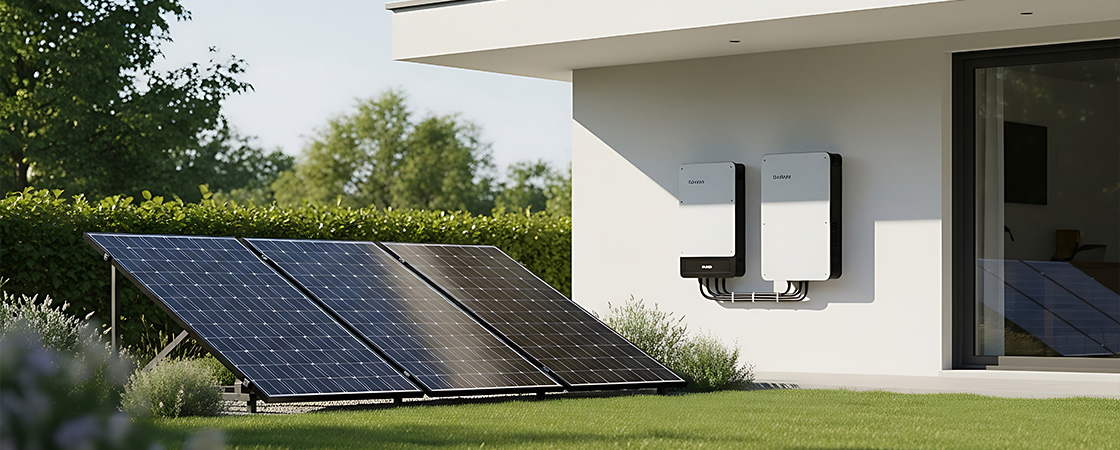
Energy storage for your home is a battery system that is an electrical energy storage device that allows the storage of electrical energy. In combination with photovoltaic installation An energy storage system stores excess electricity produced during the day to power the home during times when production is insufficient, such as at night or during cloudy weather. Energy storage allows energy to be stored for later use.
Home energy storage can also act as an emergency power supply in the event of a power outage.
How does a photovoltaic energy storage system work?
Thanks to energy storage for photovoltaics You can increase the efficiency of your installation. The solar energy your photovoltaic system produces is first used to meet your home's current needs. Surplus energy is stored and can be used later. When there is more than you currently need, the surplus goes to home energy storage.
When production drops, the storage facility releases the stored energy, reducing your demand for electricity from the grid. Energy storage allows you to better tailor your consumption to your needs.
The energy storage unit works with both the PV installation and other photovoltaic installations.
Why is it worth investing in a home energy storage system?
- Savings on electricity bills – thanks to home energy storage, you use your own energy for longer, reducing your electricity purchases from the grid.
- Energy independence – energy storage protects the home in the event of a power outage.
- Ecology – you use more clean energy from your photovoltaic installation.
- Increase in property value – a modern energy storage facility is an investment that increases the attractiveness of your home.
The profitability of investing in a home energy storage system stems from improved building energy efficiency and the potential for cost optimization through net-billing. Storing surplus energy can significantly reduce a household's carbon footprint, reducing CO2 emissions and environmental impact.
The price of an energy storage system depends on many factors, such as capacity, technology, and integration with a photovoltaic system. It's worth remembering that the investment may be supported by subsidy programs, tax breaks, or loans, which significantly impacts the investment's profitability.
Modern energy storage facilities offer technical support at every stage of the investment, providing professional assistance both when selecting the device and during system operation.
How to choose an energy storage device for your home and photovoltaic installation?
Choosing the right one energy storage depends on several factors:
- The size and power of your photovoltaic installation.
- Average daily electricity consumption in a home.
- The length of time you want to power your home from energy storage (e.g. overnight or for an extended period during a power outage).
- Available space for installing the warehouse.
Energy demand in a household
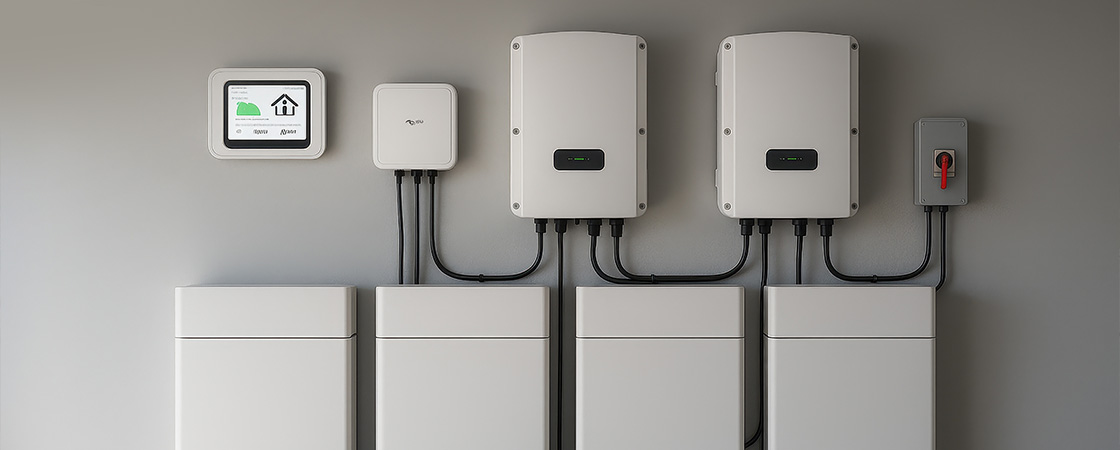
A household's energy demand is one of the key factors to consider when choosing an energy storage device. Every household has different needs, depending on the number of residents, the size of the house, and how electrical appliances are used. For example, for a single-family home with an area of 150-200 m², with 4-5 people living there, an energy storage device with a capacity of approximately 10 kWh may be the optimal solution. This capacity allows for meeting energy demand in the evenings, when the production from the photovoltaic system is insufficient. It's worth remembering that energy demand can vary depending on the season, region, and individual habits of household members. Therefore, when choosing an energy storage device, it's worth analyzing your energy consumption and selecting the storage capacity to match the household's actual needs.
Battery technology used in energy storage
When choosing an energy storage device for a photovoltaic installation, it's worth considering the battery technology used. Lithium-ion batteries are currently the most popular, distinguished by their high efficiency, long lifespan, and high number of charge and discharge cycles. Lithium-ion batteries can operate for up to 10-15 years, maintaining high usable capacity throughout their lifespan. Furthermore, they are safer and more environmentally friendly than traditional lead-acid batteries. It's also worth considering parameters such as energy storage capacity, charging speed, and the possibility of integration with an existing photovoltaic installation. By choosing an energy storage device based on modern lithium-ion batteries, you're investing in the reliability, safety, and long-term efficiency of your energy system.
Summary
Home energy storage is the perfect complement to any photovoltaic installationIt allows for more efficient energy use, savings, and greater independence from the power grid. If you're considering investing in energy storage for your home, consult with specialists who will help you choose the perfect system for your needs.
- FREE CONSULTATION
